Green Homes: What Buyers Need to Know
Introduction
In today’s eco-conscious world, the housing market is shifting rapidly towards sustainability. Green homes, once a niche interest, have become mainstream thanks to increasing awareness of environmental issues, rising energy costs, and supportive government policies. For homebuyers, this trend presents both exciting opportunities and important considerations.
This guide will help you understand what green homes are, why they matter, how to identify them, what features to look for, and what financial and lifestyle benefits they offer.
Table of Contents
- What Is a Green Home?
- Benefits of Green Homes
- Key Features of a Green Home
- Certifications to Look For
- How to Identify a Truly Green Home
- Costs Involved in Buying a Green Home
- Green Mortgages and Financing Options
- Resale Value of Green Homes
- Common Myths About Green Homes
- Steps to Buying a Green Home
- Conclusion
1. What Is a Green Home?
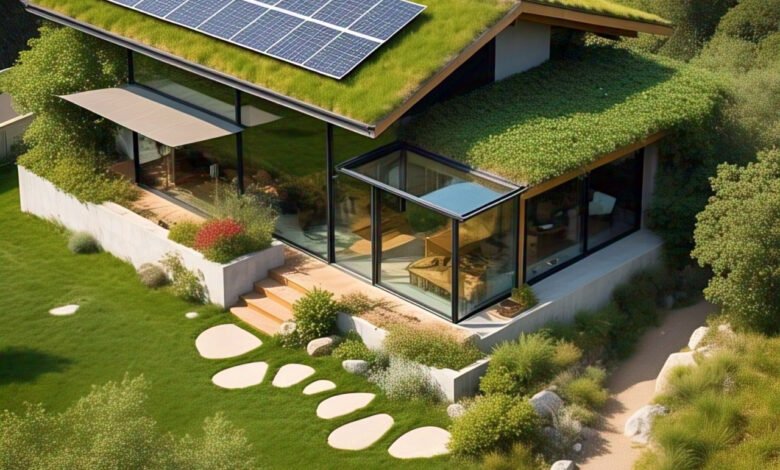
A green home is a residence that is designed, built, or renovated in ways that reduce environmental impact, promote energy efficiency, and improve indoor air quality. These homes often incorporate sustainable materials, energy-efficient appliances, and eco-friendly construction practices.
Green homes can be:
- Newly built with sustainability in mind
- Existing homes that have been upgraded with green technologies
- Certified under various green building programs
The core goal is to create a healthier, more efficient, and environmentally responsible living space.
2. Benefits of Green Homes
a. Lower Utility Bills
One of the most tangible benefits is reduced energy and water bills. Efficient HVAC systems, solar panels, better insulation, and low-flow plumbing fixtures all contribute to lower monthly expenses.
b. Healthier Living Environment
Green homes prioritize indoor air quality by using low-VOC paints, non-toxic materials, and advanced ventilation systems. This is especially beneficial for families with children, seniors, or those with respiratory conditions.
c. Environmental Impact
By reducing carbon emissions, conserving water, and minimizing waste, green homes help combat climate change and protect natural resources.
d. Increased Property Value
With growing demand, green homes often command higher resale values and attract buyers faster than traditional homes.
e. Government Incentives
Many local and federal programs offer rebates, tax credits, and other incentives for owning or upgrading to a green home.
3. Key Features of a Green Home
When evaluating a green home, here are the primary features to consider:
a. Energy Efficiency
- High-performance windows and insulation
- Energy Star-rated appliances
- Efficient HVAC systems
- LED or CFL lighting
b. Renewable Energy
- Solar panels
- Solar water heaters
- Wind or geothermal energy sources (in some locations)
c. Water Conservation
- Low-flow faucets and showerheads
- Dual-flush or composting toilets
- Rainwater harvesting systems
- Drought-resistant landscaping
d. Sustainable Materials
- Reclaimed or recycled building materials
- Bamboo or cork flooring
- Recycled glass countertops
- Non-toxic insulation
e. Indoor Air Quality
- Mechanical ventilation systems
- Low-VOC paints and finishes
- Humidity controls
- Natural light and airflow
4. Certifications to Look For
Certifications offer a reliable way to confirm a home meets green standards. Some of the most recognized include:
a. LEED (Leadership in Energy and Environmental Design)
Issued by the U.S. Green Building Council, LEED certifies homes based on their environmental performance and energy efficiency.
b. ENERGY STAR
Managed by the U.S. EPA, ENERGY STAR certification ensures that appliances and building products meet strict energy efficiency guidelines.
c. National Green Building Standard (NGBS)
Developed by the National Association of Home Builders (NAHB), NGBS covers a range of sustainability aspects, including water, energy, and indoor air quality.
d. Living Building Challenge
One of the most rigorous standards, focusing on creating net-positive energy buildings.
e. Passive House (Passivhaus)
European standard emphasizing ultra-low energy use for heating and cooling.
5. How to Identify a Truly Green Home
While many homes claim to be “eco-friendly,” not all meet rigorous standards. Here’s how to distinguish truly green homes from greenwashed ones:
- Ask for certifications or performance reports
- Inquire about energy and water usage history
- Look for green building materials and systems
- Hire a green home inspector or energy auditor
- Check the builder’s or developer’s green credentials
6. Costs Involved in Buying a Green Home
a. Initial Purchase Price
Green homes may have higher upfront costs due to advanced systems and materials. However, these are often offset by long-term savings.
b. Maintenance Costs
Sustainable materials tend to last longer and require less upkeep. For example, metal roofs can last 50+ years compared to 20-30 for asphalt shingles.
c. Utility Savings
Energy-efficient homes can cut utility bills by 30-50% or more, depending on the features.
d. Insurance and Taxes
Some insurers offer discounts for green-certified homes, and tax breaks may apply in certain states or municipalities.
7. Green Mortgages and Financing Options
Several financial tools can help you afford a green home or make energy-efficient upgrades:
a. Energy Efficient Mortgage (EEM)
Backed by FHA or VA, these allow borrowers to finance energy-saving improvements into the mortgage without needing to re-qualify.
b. Fannie Mae HomeStyle® Energy Mortgage
Allows buyers to finance energy upgrades as part of their mortgage.
c. Property Assessed Clean Energy (PACE) Loans
Offered in some states, PACE loans fund renewable energy or efficiency projects and are repaid via property taxes.
d. Utility Rebates & Tax Credits
Check with your local utility providers and federal agencies for programs that offer rebates for solar, windows, HVAC, and more.
8. Resale Value of Green Homes
The resale potential of green homes is strong, and studies show they:
- Sell faster than conventional homes
- Command premium prices (up to 10% more in some markets)
- Attract environmentally conscious buyers
- Offer peace of mind with durable, modern features
Homes with solar panels or LEED certification tend to stand out in crowded markets.
9. Common Myths About Green Homes
Let’s debunk some widespread misconceptions:
Myth 1: Green Homes Are Too Expensive
Fact: While initial costs may be slightly higher, long-term savings in utilities and maintenance often outweigh them.
Myth 2: Green Means Going Off-Grid
Fact: Most green homes remain connected to public utilities and simply use energy more efficiently.
Myth 3: You Have to Build New
Fact: Existing homes can be retrofitted with green upgrades like solar panels, insulation, and efficient windows.
Myth 4: Eco-Friendly Means Sacrificing Comfort
Fact: Green homes often offer superior comfort due to better temperature regulation and air quality.
10. Steps to Buying a Green Home
Ready to buy green? Here’s how to navigate the process:
Step 1: Identify Your Priorities
Decide whether energy efficiency, indoor air quality, or sustainability is most important to you.
Step 2: Work With a Green Real Estate Agent
Choose agents with experience in eco-friendly properties and certifications like GREEN from the National Association of Realtors.
Step 3: Research Builders or Communities
Look for reputable builders who specialize in green construction and explore green neighborhoods or developments.
Step 4: Understand the Certifications
Familiarize yourself with LEED, ENERGY STAR, and other relevant certifications to guide your search.
Step 5: Get a Home Energy Audit
Before buying, have the property inspected for energy efficiency and sustainability by a certified professional.
Step 6: Explore Financing Options
Look into green mortgages, EEMs, or PACE programs to help finance your purchase or upgrades.
Step 7: Consider Future Improvements
Think about adding solar, smart home features, or sustainable landscaping down the road.
11. Conclusion
Green homes represent the future of residential living. They are not just a passing trend—they are a smart investment in your health, finances, and the planet.
Whether you’re a first-time buyer or a seasoned investor, understanding the principles of green homes can help you make informed decisions that align with both your values and your budget.
From lower utility bills to healthier indoor air, a green home offers long-term rewards. By learning what to look for and how to evaluate properties, you can confidently step into a more sustainable lifestyle.
Final Tips for Buyers
- Always ask for documentation and certifications
- Compare long-term savings, not just upfront costs
- Stay updated on local and federal incentives
- Think long-term: Green homes future-proof your investment
Are you ready to find your dream green home? It’s not just a house—it’s a step toward a better, cleaner world.