Choosing your first competitive game
Introduction
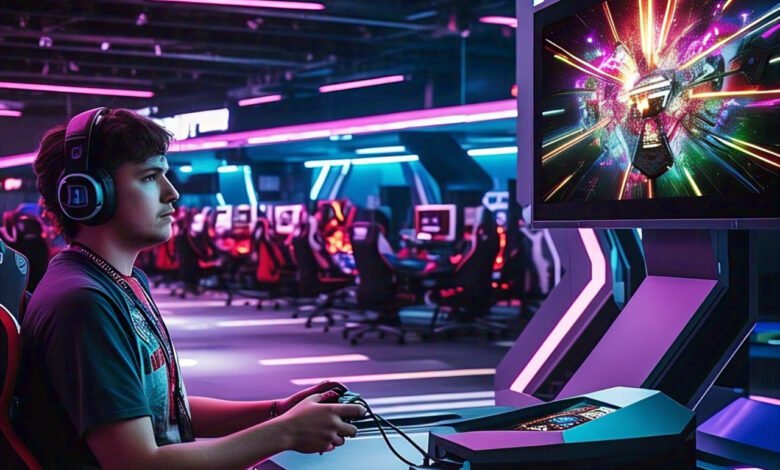
The world of competitive gaming has exploded in recent years, growing from a niche hobby into a global phenomenon with massive audiences, multi-million-dollar prize pools, and career opportunities. Whether you dream of climbing leaderboards, joining esports teams, or simply testing your skills against others, getting into competitive gaming starts with one key decision: choosing your first competitive game.
With hundreds of titles available—ranging from fast-paced shooters to strategic card games—the process can be overwhelming. This guide breaks down everything you need to know to confidently choose the right game for your interests, skill level, and long-term goals.
1. Understanding Competitive Gaming
What Is Competitive Gaming?
Competitive gaming, also known as esports or ranked multiplayer gaming, refers to games where players compete against each other to win, improve rank, or earn rewards. These games often feature skill-based matchmaking, leaderboards, and organized tournaments.
Benefits of Competitive Gaming
- Skill Development: Improves reflexes, decision-making, and strategic thinking.
- Social Connection: Join teams, communities, and friendships through shared interests.
- Career Opportunities: Stream, coach, or go pro with enough dedication and skill.
- Entertainment and Satisfaction: Achieving ranks and winning matches brings joy and accomplishment.
2. Know Yourself: Identify Your Playstyle and Preferences
Before picking a game, take a moment to reflect on what you enjoy in a gaming experience.
Consider These Questions:
- Do you prefer fast action or slow strategy?
- Do you enjoy playing solo or with a team?
- Do you like short matches or long, strategic games?
- Do you want to master mechanics or outthink your opponent?
Popular Playstyle Categories:
| Style | Preferred Genre | Examples |
|---|---|---|
| Reflex-Based | First-Person Shooters | Valorant, Call of Duty |
| Strategy & Tactics | Real-Time Strategy, MOBA | StarCraft II, Dota 2 |
| Quick Thinking | Battle Royale, Action | Fortnite, Apex Legends |
| Precision & Timing | Fighting Games | Street Fighter, Tekken |
| Mind Games | Card & Turn-Based | Hearthstone, Teamfight Tactics |
3. Evaluate Game Genres: Pros and Cons
Let’s dive deeper into the most popular competitive game genres and what you can expect.
1. First-Person Shooters (FPS)
- Examples: Counter-Strike 2, Valorant, Overwatch 2
- Pros:
- Fast-paced and thrilling
- High skill ceiling
- Strong esports scenes
- Cons:
- Requires great reflexes and aim
- Steep learning curve
- Can be frustrating for beginners
2. Multiplayer Online Battle Arenas (MOBA)
- Examples: League of Legends, Dota 2
- Pros:
- Deep strategic depth
- Massive communities and content
- Free-to-play
- Cons:
- Complex mechanics and roles
- Toxicity in communities
- Long match times
3. Battle Royale
- Examples: Fortnite, Apex Legends, PUBG
- Pros:
- Easy to start, hard to master
- Emphasis on survival and creativity
- Constant updates
- Cons:
- Random loot elements
- Can feel repetitive
- High competition
4. Fighting Games
- Examples: Tekken 8, Street Fighter 6, Super Smash Bros.
- Pros:
- One-on-one skill showcase
- Short, intense matches
- Local and online communities
- Cons:
- Tough learning curve
- Requires strong muscle memory
- Smaller esports prize pools
5. Card & Strategy Games
- Examples: Hearthstone, Magic: The Gathering Arena, Legends of Runeterra
- Pros:
- More relaxed pace
- Emphasis on knowledge and tactics
- Low hardware demands
- Cons:
- RNG (randomness) can be frustrating
- Monetization (pay-to-win) issues
- Smaller player bases
4. Factor in Hardware and Accessibility
Not every game runs well on every device. Consider your system capabilities.
PC vs Console vs Mobile:
- PC: Offers the widest range of competitive games. Required for games like CS2 or Dota 2.
- Console: Great for FPS and fighting games like Call of Duty or Mortal Kombat.
- Mobile: Accessible and growing (e.g., Mobile Legends, PUBG Mobile, Clash Royale).
Internet Connection:
A fast and stable internet connection is vital for real-time competitive games. Lag or disconnects can ruin the experience, especially in FPS and MOBAs.
5. Community and Support
A healthy community can significantly improve your experience.
What to Look For:
- Active Player Base: More players mean faster matchmaking and a longer game lifespan.
- Content Creators and Guides: Are there YouTubers, streamers, and guides to help you learn?
- Beginner-Friendly Tools: Tutorials, coaching, ranked placements, and matchmaking balance.
Warning Signs:
- Toxic Communities: Trash talk, gatekeeping, or harassment may discourage new players.
- Lack of Updates: If a game isn’t getting updates, it might be dying.
6. Consider Longevity and Learning Curve
Some games are easier to pick up but lack depth; others take months to learn but reward mastery.
| Game | Learning Curve | Long-Term Engagement |
|---|---|---|
| Fortnite | Low | Medium |
| League of Legends | High | High |
| Hearthstone | Medium | Medium |
| Counter-Strike 2 | High | Very High |
| Rocket League | Medium | Very High |
Choose based on how much time and effort you’re willing to invest.
7. Try Before You Commit
Many competitive games are free-to-play, so you can try a few before making a choice.
Tips:
- Play for a week before judging a game.
- Try tutorials and unranked matches first.
- Watch streamers or tournaments to see gameplay at a high level.
- Join a Discord or Reddit community to ask questions and find friends.
8. Balance Competition and Fun
While competing is exciting, the ultimate goal is enjoyment.
Warning Signs You’re Not Having Fun:
- You play out of obligation, not interest.
- You feel constant stress or anger.
- You’re not motivated to improve.
It’s okay to try something else. The “right game” is the one that keeps you coming back.
9. Recommendations Based on Goals
“I want fast action and improvement.”
- Try: Valorant, Counter-Strike 2, Apex Legends
“I enjoy teamwork and complex strategy.”
- Try: League of Legends, Dota 2, Rainbow Six Siege
“I want a solo game with deep tactics.”
- Try: Hearthstone, Legends of Runeterra, Teamfight Tactics
“I prefer console or controller play.”
- Try: Rocket League, Mortal Kombat, Call of Duty
“I need something casual and low-commitment.”
- Try: Fortnite, Clash Royale, Brawl Stars
10. Mental Health and Competitive Gaming
Climbing ranks and competing online can be thrilling—but also emotionally draining.
Tips to Stay Healthy:
- Take breaks between sessions.
- Avoid toxic environments and mute/report bad behavior.
- Set goals that aren’t just rank-related (e.g., learning a new character).
- Don’t tie self-worth to your win rate.
The most successful competitive players balance passion with discipline and self-care.
11. How to Improve Once You Choose
Once you pick a game, the journey truly begins.
Tips to Level Up:
- Watch Pros and Tutorials: YouTube, Twitch, or in-game replays.
- Practice Regularly: Consistency > long hours.
- Analyze Mistakes: Focus on what you can control.
- Play With Better Players: You’ll improve faster.
- Join Communities: Reddit, Discord, forums.
Conclusion
Choosing your first competitive game is more than just picking what’s popular—it’s about aligning with your interests, abilities, and personal goals. Whether you seek adrenaline-pumping action or methodical strategy, the perfect game for you is out there.
Start with what excites you, stick with what challenges you, and don’t be afraid to switch things up if it stops being fun. Competitive gaming should be a journey of growth, fun, and maybe even friendship.
So pick your first game, dive in, and welcome to the arena!
Final Quick Tips:
✅ Try a few games before committing
✅ Play unranked to learn the ropes
✅ Don’t worry about being the best—yet
✅ Focus on improving, not just winning
✅ Have fun—it’s still a game after all!


