Streaming Devices
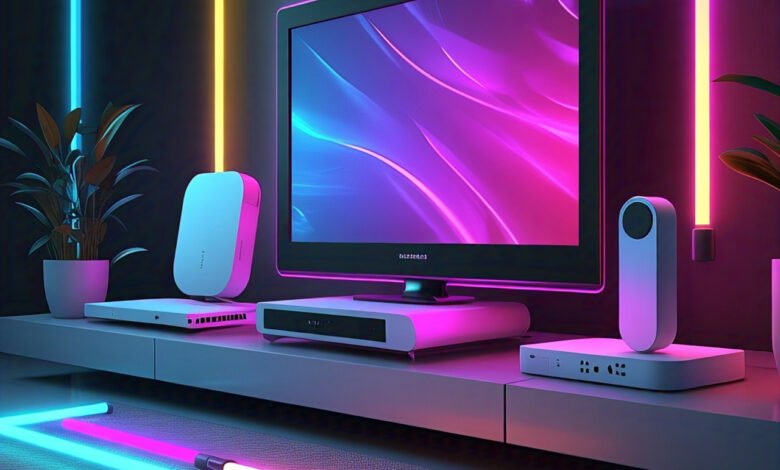
In today’s digital era, entertainment has evolved far beyond cable television and DVDs. We now live in the age of streaming devices, small but powerful gadgets that open the gateway to limitless entertainment content—from movies and TV shows to music, games, and even live sports—all at the touch of a button. Whether you’re a binge-watcher, a casual viewer, or someone seeking cord-cutting alternatives, streaming devices play a central role in how content is consumed in the modern world.
This guide explores the world of streaming devices: what they are, how they work, the types available, the most popular models, and how to choose the right one for your needs.
What Are Streaming Devices?
Streaming devices are electronic gadgets that connect your TV to the internet, allowing you to stream audio, video, and other multimedia content over the web. These devices essentially turn any ordinary TV into a smart TV, enabling access to streaming platforms like Netflix, Hulu, Disney+, Amazon Prime Video, YouTube, Spotify, and more.
They typically plug into the HDMI port of your television and are controlled via a remote, mobile app, or voice assistant. Once connected, they offer a user-friendly interface to browse content, install apps, and stream media directly from the cloud or your local network.
How Do Streaming Devices Work?
Streaming devices work by receiving data from the internet and decoding it into video or audio content that your TV can display or play. Here’s a simple breakdown:
- Connection to TV: The device plugs into your TV, usually via HDMI.
- Wi-Fi or Ethernet Connection: It connects to your home internet either wirelessly or through a wired connection.
- Streaming Platform Access: You sign into your accounts on services like Netflix, YouTube, or Hulu.
- Streaming Content: The device fetches the content from the internet, buffers it, and plays it in real time.
Unlike downloads, where the entire file is saved before watching, streaming delivers content on demand, minimizing wait time and storage requirements.
Types of Streaming Devices
There are several types of streaming devices, each catering to different user preferences and environments:
1. Streaming Sticks
Compact and portable, streaming sticks resemble USB drives and plug directly into a TV’s HDMI port.
- Pros: Affordable, portable, easy setup.
- Cons: Limited ports, less powerful than full-sized boxes.
Popular Models: Amazon Fire TV Stick, Roku Streaming Stick, Chromecast with Google TV.
2. Streaming Boxes
These are larger than sticks and often come with better hardware, more ports, and enhanced capabilities.
- Pros: More power, better resolution support (like 4K), USB/Ethernet ports.
- Cons: Less portable, slightly more expensive.
Popular Models: Apple TV 4K, Roku Ultra, NVIDIA Shield TV.
3. Smart TVs with Built-In Streaming
Many modern TVs come with built-in streaming platforms (like Roku TV or Android TV), eliminating the need for a separate device.
- Pros: No additional hardware, cleaner setup.
- Cons: Limited updates, potential software bloat, fewer customization options.
4. Game Consoles
Consoles like PlayStation, Xbox, and Nintendo Switch also support streaming apps.
- Pros: Multi-functional (gaming + streaming).
- Cons: More expensive, overkill for non-gamers.
Key Features to Consider
When choosing a streaming device, here are some important features to consider:
1. Resolution Support
Check if the device supports your TV’s resolution—HD (720p), Full HD (1080p), 4K Ultra HD, or even 8K.
2. HDR Support
High Dynamic Range (HDR) enhances color and contrast. Look for HDR10, Dolby Vision, or HLG support for the best visual experience.
3. Voice Control
Many devices now support voice assistants like Alexa, Google Assistant, or Siri, allowing hands-free navigation.
4. Content Availability
Not all platforms are supported equally across devices. Make sure your preferred streaming services are available.
5. User Interface and OS
Smooth, intuitive interfaces matter. Popular operating systems include:
- Roku OS
- Fire OS (Amazon)
- tvOS (Apple)
- Android TV / Google TV
6. Remote Control
Some remotes offer voice search, shortcut buttons, and even headphone jacks for private listening.
7. Price
Prices vary widely—from under $30 to over $200. Consider what features you truly need.
Popular Streaming Devices
Here’s a rundown of the most popular streaming devices on the market today:
🔥 Amazon Fire TV Stick
- Models: Fire TV Stick Lite, Fire TV Stick 4K, Fire TV Cube.
- Pros: Affordable, Alexa integration, good performance.
- Cons: Heavily favors Amazon ecosystem.
📺 Roku Streaming Stick / Roku Ultra
- Pros: Neutral platform, simple interface, wide app support.
- Cons: Lacks some premium features like Dolby Vision in cheaper models.
🍏 Apple TV 4K
- Pros: Excellent performance, Dolby Vision + Dolby Atmos, seamless Apple ecosystem integration.
- Cons: Expensive.
💡 Chromecast with Google TV
- Pros: Personalized content suggestions, Google Assistant, Android TV support.
- Cons: Remote may be minimal for some users.
🛡️ NVIDIA Shield TV / Shield Pro
- Pros: High-end performance, gaming support, AI upscaling.
- Cons: Expensive, overkill for casual users.
Benefits of Streaming Devices
- On-Demand Entertainment: Watch whatever you want, whenever you want.
- Cord Cutting: Say goodbye to cable bills and contracts.
- Portability: Many streaming sticks are travel-friendly.
- Regular Updates: Most platforms receive ongoing software improvements.
- Content Variety: Access to thousands of apps and services.
Streaming Device Comparison Chart
| Feature | Roku Ultra | Fire TV Stick 4K | Apple TV 4K | Chromecast w/ Google TV | NVIDIA Shield TV |
|---|---|---|---|---|---|
| Price | $$ | $ | $$$ | $$ | $$$ |
| 4K Support | ✅ | ✅ | ✅ | ✅ | ✅ |
| HDR Formats | HDR10, Dolby | HDR10+, Dolby | Dolby Vision | HDR10, Dolby | HDR10, Dolby |
| Voice Assistant | Roku Voice | Alexa | Siri | Google Assistant | Google Assistant |
| Best For | Neutral users | Alexa homes | Apple fans | Google users | Power users |
Streaming Devices and Gaming
Some devices offer gaming capabilities as a bonus. NVIDIA Shield TV, for instance, supports GeForce NOW, a cloud gaming platform, while Apple TV supports Apple Arcade.
Game consoles like Xbox Series X and PlayStation 5 double as high-performance streaming devices with apps for Netflix, Hulu, Disney+, and more.
Internet Speed and Streaming Quality
The performance of a streaming device is only as good as your internet connection. Here are some general speed guidelines:
- SD (480p): 3 Mbps
- HD (720p–1080p): 5–10 Mbps
- 4K Ultra HD: 20–25 Mbps
For seamless performance, a stable Wi-Fi router or a direct Ethernet connection is recommended—especially for 4K content.
Privacy and Data Concerns
Streaming devices often track viewing habits and usage data. While this helps in content recommendations, it’s important to:
- Review privacy settings
- Limit data sharing
- Use guest accounts when needed
- Update firmware regularly
Some devices, like Roku and Fire TV, allow users to disable ad tracking and limit data collection.
Future Trends in Streaming Devices
As technology evolves, so do streaming devices. Here’s what the future holds:
1. AI-Powered Recommendations
Smarter algorithms will offer hyper-personalized suggestions based on habits and moods.
2. 8K Support
While still niche, 8K streaming is on the horizon as more content and TVs support it.
3. Deeper Smart Home Integration
Devices will increasingly function as smart home hubs, integrating lights, security cameras, and more.
4. Cloud Gaming Integration
Streaming devices may double as gaming platforms, especially with the rise of services like Xbox Cloud Gaming and NVIDIA GeForce NOW.
5. Subscription Bundling
Expect more bundled content packages (e.g., Disney+, Hulu, and ESPN+) directly through streaming devices.
How to Choose the Right Streaming Device
Ask yourself the following before buying:
- What’s your budget?
- What streaming platforms do you use most?
- Do you want voice assistant integration?
- Is 4K or HDR important for your viewing experience?
- Do you need advanced features like Ethernet, gaming, or screen mirroring?
There’s no one-size-fits-all solution, but with clear priorities, you can find a device that fits your lifestyle and budget.
Conclusion
Streaming devices have revolutionized how we consume entertainment. From compact sticks to powerful set-top boxes, they offer the flexibility to watch what you want, when you want, and how you want. Whether you’re a movie buff, a gamer, or someone simply trying to cut the cord from cable TV, there’s a streaming solution that fits your needs.
With future advancements on the horizon—like deeper smart home integration, enhanced AI, and even better picture quality—streaming devices are only getting smarter and more powerful. Now is the perfect time to explore your options and take your home entertainment experience to the next level.