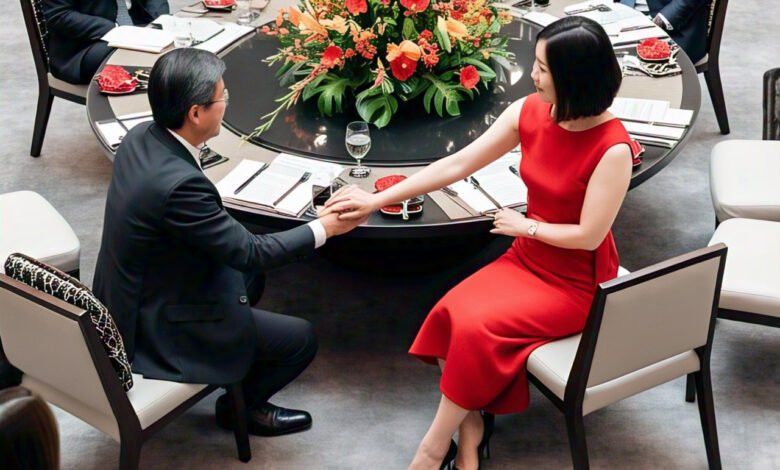
Asia, the world’s largest and most diverse continent, is home to a vast array of cultures, languages, and traditions. With over 4.7 billion people across nearly 50 countries, understanding the nuances of etiquette in Asia is crucial for respectful and meaningful interactions—whether you’re traveling, doing business, or simply engaging in cross-cultural conversations.
While customs can vary widely from country to country, there are common threads that run through Asian cultures, such as the importance of respect, hierarchy, and harmony. This article explores key etiquette practices across East Asia, Southeast Asia, South Asia, and the Middle East regions of Asia.
1. General Principles of Asian Etiquette
Respect and Hierarchy
In many Asian cultures, age and social status are central to interactions. Elders and senior people are treated with deference, and respectful speech is expected.
- Bowing, hand gestures, and using titles are all ways to show respect.
- Speaking too casually or directly to someone older or of higher status can be seen as rude.
Collectivism Over Individualism
Many Asian societies prioritize the group over the individual. Actions are often taken with the welfare of the family, company, or community in mind.
- Personal opinions may be withheld to avoid disrupting group harmony.
- Modesty is valued; boasting is considered distasteful.
Nonverbal Communication
In Asia, nonverbal cues often convey more than spoken words. Body language, facial expressions, and tone of voice are carefully considered.
- Silence can be a sign of respect or thoughtfulness.
- Loud speech or overt displays of emotion can be frowned upon.
2. East Asia: Japan, China, South Korea, Taiwan
Japan
Japan is renowned for its refined manners and deep-rooted social traditions.
- Bowing is a standard greeting and sign of respect. The depth and duration vary based on the situation.
- Business Cards (Meishi): Always give and receive cards with both hands and take a moment to examine the card respectfully.
- Shoes: Remove shoes before entering homes, temples, and some traditional restaurants.
- Dining: Slurping noodles is acceptable and even appreciated. Never stick chopsticks upright in rice—it resembles funeral rites.
- Gift Giving: Gifts are customary, and how you present the gift (wrapping and humility) is as important as the gift itself.
China
Chinese etiquette is grounded in Confucian values and a strong sense of social hierarchy.
- Greetings: A light handshake is standard. Titles and last names should be used unless invited otherwise.
- Banquets: Hosts will seat guests according to status. The host often insists several times before the guest accepts food or drink.
- Chopstick Etiquette: Do not point, tap, or stick chopsticks upright in food.
- Guanxi: Relationships and connections play a crucial role in business and personal affairs.
South Korea
Korean culture is structured around Confucian principles and a strong sense of respect and hierarchy.
- Greetings: A bow, sometimes accompanied by a handshake (with both hands), is common.
- Age Matters: You’ll often be asked your age to determine appropriate speech levels.
- Drinking Etiquette: When drinking with elders, turn away slightly and cover your mouth. It’s polite to pour drinks for others rather than yourself.
- Group Culture: Meals and decisions are often group-oriented, and harmony is prioritized over individual opinions.
Taiwan
Taiwanese etiquette blends Chinese traditions with Japanese influences.
- Hospitality: Guests are treated with great care. Refusing something once or twice before accepting is polite.
- Gifts: Avoid clocks, white flowers, or anything associated with funerals.
- Respect: Use appropriate titles and avoid public confrontation.
3. Southeast Asia: Thailand, Vietnam, Indonesia, Philippines, Malaysia
Thailand
Thailand is known as the “Land of Smiles,” and its people are generally warm and hospitable.
- Wai Greeting: Pressed palms with a slight bow; used for greetings, thanks, and apologies.
- Head and Feet: The head is considered sacred and the feet dirty. Never touch someone’s head or point your feet at people or religious objects.
- Royalty and Religion: The Thai monarchy is revered. Show utmost respect to images of the king and Buddha.
Vietnam
Vietnamese culture emphasizes respect, modesty, and community values.
- Greetings: A slight bow or nod is common; shaking hands is acceptable but usually gentle.
- Age and Status: Respect elders in speech and behavior. Age hierarchy is deeply ingrained.
- Dining: Wait for the eldest to begin eating. Avoid putting chopsticks vertically in rice.
- Hospitality: Guests are treated generously. Politeness in declining or accepting offerings is expected.
Indonesia
As a majority-Muslim country with over 300 ethnic groups, Indonesia’s etiquette varies but maintains core values of respect and politeness.
- Greetings: A soft handshake, sometimes followed by touching the heart.
- Modesty: Dress modestly, especially in rural areas and religious sites.
- Right Hand Rule: Always use the right hand for eating, giving, and receiving. The left is considered impolite.
- Public Behavior: Avoid public displays of affection. Losing temper is seen as shameful.
Philippines
The Philippines blends Asian and Western traditions, with a strong emphasis on hospitality and family.
- Greetings: Handshakes are common. Elders may be greeted with a gesture called mano—placing their hand on your forehead.
- Hospitality: Guests are treated with extreme generosity. Saying “no” to food may be considered rude.
- Indirectness: Filipinos often use indirect language to avoid conflict or offense.
Malaysia
A multicultural nation of Malays, Chinese, and Indians, Malaysian etiquette varies with context.
- Greetings: Malays may greet with a handshake and touch the heart. Indians may use namaste, and Chinese may bow lightly.
- Shoes: Remove shoes when entering homes or mosques.
- Halal Awareness: Respect dietary restrictions; do not offer pork or alcohol to Muslims.
- Gender Interaction: Physical contact between men and women in public is minimal.
4. South Asia: India, Pakistan, Bangladesh, Nepal, Sri Lanka
India
India’s cultural etiquette is as diverse as its regions and languages.
- Greetings: “Namaste” with folded hands is traditional. Shaking hands is common in urban settings.
- Right Hand Rule: Use the right hand for eating, giving, and receiving.
- Shoes: Remove shoes before entering homes and temples.
- Hospitality: Guests are treated as gods (“Atithi Devo Bhava”). You’ll often be offered food and drink multiple times.
- Head Gestures: The Indian head wobble can mean agreement or understanding; context is key.
Pakistan
Pakistani culture emphasizes honor, modesty, and hospitality.
- Greetings: A handshake or “Assalamu Alaikum” is standard. Men usually don’t shake hands with women unless initiated by the woman.
- Hospitality: Guests are highly honored. Declining food is considered impolite.
- Conservatism: Dress modestly, especially in rural and religious settings.
- Respect for Elders: Use titles and formal language.
Bangladesh
Bangladeshi etiquette aligns closely with Islamic values and Bengali customs.
- Greetings: “Assalamu Alaikum” or “Nomoskar” (for Hindus) is typical.
- Shoes Off: Remove shoes before entering homes and religious places.
- Dining: Eat with the right hand. Wash hands before and after meals.
- Hospitality: Similar to neighboring India and Pakistan—warm and generous.
Nepal
Nepalese culture is influenced by Hinduism and Buddhism.
- Greetings: “Namaste” is the traditional greeting with palms together.
- Shoes: Remove before entering homes or temples.
- Respect: Elders are greeted first and shown deference.
- Monastic Etiquette: Don’t touch monks or their robes, and always ask before taking photographs.
Sri Lanka
Sri Lanka shares cultural similarities with India, with Buddhist and Hindu influences.
- Greetings: “Ayubowan” is the Sinhalese greeting, with palms together.
- Respect for Religion: Temples are sacred. Dress modestly and remove shoes before entering.
- Hospitality: Like much of South Asia, guests are warmly welcomed.
- Head and Feet: Avoid touching heads or pointing feet at people or statues.
5. Middle East Asia: Iran, Saudi Arabia, UAE
While often considered part of the Middle East, countries like Iran, Saudi Arabia, and the UAE are geographically part of Asia and have distinctive etiquette rooted in Islamic and tribal traditions.
Iran
- Greetings: A handshake and nod are typical. Same-gender contact is common; cross-gender may be limited.
- Hospitality: Persian hospitality is legendary. Expect multiple offers of food or tea.
- Taarof: A politeness ritual where people initially refuse offers out of humility—it’s expected to insist.
Saudi Arabia
- Greetings: “As-salamu alaykum” with a handshake and sometimes a cheek kiss (among men).
- Gender Rules: Public interactions between unrelated men and women are limited.
- Hospitality: Coffee and dates are traditional welcoming items.
- Respect for Religion: Friday is the holy day; prayer times are strictly observed.
UAE (United Arab Emirates)
- Greetings: A handshake followed by “As-salamu alaykum.” Men may kiss each other on the cheek.
- Business Etiquette: Meetings often begin with small talk. Respect for hierarchy is key.
- Modesty: Westerners are expected to dress modestly in public areas.
Conclusion
Etiquette in Asia is as diverse as the continent itself, yet grounded in shared values of respect, humility, and community. Whether you’re dining in Tokyo, attending a wedding in Delhi, or visiting a mosque in Kuala Lumpur, observing local customs reflects your cultural sensitivity and helps build meaningful connections.
Travelers, expatriates, and business professionals should take the time to learn and adapt to these social norms—not only to avoid offense but to foster mutual understanding and appreciation in a richly complex region of the world.